Sucre – Sincelejo: A Vibrant Colombian City

mayday2000.org – Sucre, a department located in northeastern Colombia, is home to the bustling city of Sincelejo. This vibrant city, known for its rich cultural heritage, lively festivals, and warm hospitality, offers a unique blend of traditional and modern experiences.   

A City of Music and Tradition

Sincelejo is renowned for its musical traditions, particularly the vallenato genre. The city has produced many famous vallenato artists, and its annual music festivals attract visitors from all over the country. The city’s cultural landscape is also shaped by its African and indigenous roots, which are reflected in its music, dance, and cuisine.

Key Attractions and Experiences

  • Plaza de Majagual: This historic square is the heart of Sincelejo. Surrounded by colonial-era buildings, it’s a popular gathering place for locals and tourists alike.   
  • Santuario de Fauna y Flora El Corchal “Mono Hernández”: This nature reserve is home to a diverse range of wildlife, including the iconic Howler Monkey. It’s a great place for nature lovers and birdwatchers.
  • Festivals and Traditions: Sincelejo is known for its lively festivals, particularly the Fiestas del 20 de Enero, which celebrate the city’s patron saint. These festivities feature colorful parades, traditional music, and delicious food.   
  • Gastronomy: The local cuisine of Sucre is influenced by both indigenous and Spanish traditions. Some of the most popular dishes include sancocho de gallina, arepas de huevo, and carimañola.

A Gateway to Coastal Paradise

Sincelejo is a gateway to the beautiful Caribbean coast. The nearby islands of San Bernardo and the Gulf of Morrosquillo offer stunning beaches, crystal-clear waters, and opportunities for snorkeling, diving, and other water sports.   

A Warm Welcome

The people of Sincelejo are known for their warm hospitality and welcoming nature. Visitors to the city can expect to be greeted with open arms and a genuine desire to share their culture and traditions. Whether you’re interested in exploring the city’s rich history, immersing yourself in its vibrant culture, or simply relaxing on the beach, Sincelejo has something to offer everyone.

Antisana: A Majestic Andean Giant – A Dormant Giant

mayday2000.org – Antisana is a prominent stratovolcano located in the Eastern Cordillera of the Andes Mountains in Ecuador. Rising to a height of 5,758 meters (18,891 feet), it is one of the highest peaks in the country and a challenging destination for experienced mountaineers.

A Geological Marvel

Antisana is a complex volcanic system composed of several overlapping cones and lava domes. The volcano’s summit is dominated by a large crater, which is partially filled with a glacier. The surrounding slopes are characterized by steep cliffs, volcanic debris, and glacial valleys.

A Biodiversity Hotspot

Despite its harsh, high-altitude environment, Antisana is home to a diverse range of flora and fauna. The lower slopes are covered in lush cloud forests, while the higher elevations are characterized by alpine meadows and páramo ecosystems. The volcano’s unique microclimates support a variety of endemic species, including rare orchids, bromeliads, and hummingbirds.

A Challenging Climb

Climbing Antisana is a challenging endeavor, requiring technical expertise, physical fitness, and the ability to withstand harsh weather conditions. The ascent typically involves navigating glaciers, steep cliffs, and exposed ridges. The summit offers breathtaking panoramic views of the surrounding mountains, including Cotopaxi and Cayambe.

A Water Tower for the Region

Antisana plays a crucial role in the region’s water supply. Its glaciers and snowfields feed numerous rivers and streams, providing water for agriculture, industry, and domestic use. The volcano’s pristine ecosystem is also vital for maintaining biodiversity and regulating climate patterns.

A Protected Paradise

Recognizing the ecological and cultural significance of Antisana, the Ecuadorian government has designated the area as part of the Antisana Ecological Reserve. This protected area helps to conserve the volcano’s unique biodiversity and ensure the sustainability of local communities.

Catalonia: A Cultural and Natural Gem

mayday2000.org – Catalonia, a region in northeastern Spain, is a vibrant and diverse region with a rich cultural heritage. Its capital, Barcelona, is a world-renowned city known for its stunning architecture, vibrant art scene, and beautiful beaches.

Barcelona: A Cosmopolitan City

Barcelona, a cosmopolitan city with a Mediterranean flair, is a popular tourist destination. Its iconic architecture, delicious cuisine, and lively nightlife make it a must-visit.

  • Must-See Attractions:
    • La Sagrada Família: A magnificent unfinished basilica designed by Antoni Gaudí.
    • Park Güell: A whimsical park designed by Gaudí, filled with colorful mosaics and unique architecture.
    • Barri Gòtic: The historic Gothic Quarter, with its narrow, winding streets and medieval buildings.
    • La Rambla: A bustling street lined with shops, restaurants, and street performers.

Girona: A Medieval City

Girona, a charming city with a rich history, is known for its well-preserved medieval quarter.

  • Must-See Attractions:
    • Barri Vell: The historic old town, with its narrow, winding streets and Romanesque and Gothic architecture.
    • Catedral de Girona: A magnificent Romanesque cathedral with a stunning Gothic cloister.
    • Jewish Quarter: A historic Jewish quarter with narrow, winding streets and beautiful synagogues.

Lleida: A City of Contrasts

Lleida, a city with a rich history, is located in the heart of Catalonia. It offers a mix of urban and rural attractions.

  • Must-See Attractions:
    • Seu Vella: A Romanesque cathedral that offers panoramic views of the city.
    • Museu de Lleida: A museum that houses a diverse collection of art and artifacts.
    • Montsec: A mountain range with stunning landscapes and opportunities for hiking and rock climbing.

Tarragona: A Roman City

Tarragona, a coastal city with a rich Roman history, is known for its well-preserved Roman ruins.

  • Must-See Attractions:
    • Roman Amphitheater: A well-preserved Roman amphitheater that once hosted gladiatorial contests.
    • Roman Circus: A Roman circus that was used for chariot races.
    • Cathedral of Tarragona: A Gothic cathedral with a Romanesque crypt.

Extremadura: A Land of Castles and History

Extremadura, a region in western Spain, is a land of stunning landscapes, historic cities, and ancient Roman ruins.

Badajoz: A Border City

Badajoz, the capital of Extremadura, is a city with a rich history and a strategic location on the border with Portugal.

  • Must-See Attractions:
    • Alcazaba: A Moorish fortress that offers panoramic views of the city.
    • Puente de Palmas: A Roman bridge that spans the Guadiana River.
    • Plaza Alta: A historic square lined with bars and restaurants.

Cáceres: A Medieval City

Cáceres, a UNESCO World Heritage Site, is a medieval city with a well-preserved historic center.

  • Must-See Attractions:
    • Plaza Mayor: A beautiful square surrounded by historic buildings.
    • Concatedral de Santa María: A Gothic cathedral with a stunning facade.
    • Alcázar de los Golfines: A medieval palace that offers panoramic views of the city.

Both Catalonia and Extremadura offer a diverse range of experiences, from exploring historic cities to hiking in the mountains. Their rich history, stunning landscapes, and delicious cuisine make them unforgettable destinations.

Suceava: A Tapestry of History and Nature – Ancient Traditions

mayday2000.org – Suceava, a county nestled in the northeastern part of Romania, is a region steeped in history, culture, and breathtaking natural beauty. Known for its picturesque landscapes, ancient monasteries, and vibrant cultural heritage, Suceava offers a glimpse into a bygone era.

A Natural Paradise

The county’s stunning landscapes, characterized by rolling hills, dense forests, and majestic mountains, make it a paradise for nature lovers. The Giumalău Mountains, part of the Eastern Carpathians, offer opportunities for hiking, trekking, and skiing. The Suceava River, which flows through the county, provides serene settings for fishing, kayaking, and simply enjoying the tranquility of nature.

A Cultural Tapestry

Suceava is renowned for its rich cultural heritage, which has been passed down through generations. The region’s traditional crafts, such as wood carving, pottery, and weaving, are still practiced today. The colorful folk costumes, intricate embroidery, and lively folk music and dance are integral parts of Suceava’s cultural identity.

Monasteries: A Spiritual Retreat

One of the most distinctive features of Suceava is its numerous monasteries, which have played a significant role in the region’s history and culture. The Voroneț Monastery, a masterpiece of Byzantine art, is renowned for its unique blue pigment, known as “Voroneț blue.” Other notable monasteries include Moldovița, Arbore, and Humor.

A Culinary Delight

Suceava’s cuisine is hearty and flavorful, reflecting the region’s agricultural traditions. Local specialties include traditional soups, such as ciorbă de burtă (tripe soup), and savory meat dishes, such as sarmale (cabbage rolls). The region is also known for its delicious pastries, including plăcintă cu brânză (cheese pie) and cozonac (sweet bread).

Conclusion

Suceava, with its breathtaking landscapes, rich cultural heritage, and spiritual significance, is a truly unique and unforgettable destination. Whether you’re seeking adventure, cultural immersion, or a peaceful retreat, Suceava has something to offer everyone.

Podlaskie Voivodeship: A Land of Forests and Traditions

mayday2000.org – Podlaskie Voivodeship, located in northeastern Poland, is a region of stunning natural beauty, rich history, and vibrant culture. Its diverse landscapes, from the dense forests of the Białowieża Forest to the picturesque Narew River Valley, offer a variety of outdoor activities and opportunities for relaxation.

Białystok: A City of Contrasts

Białystok, the capital of Podlaskie Voivodeship, is a city with a unique blend of historical and modern influences. The city’s Old Town, with its charming streets and colorful buildings, is a popular tourist destination. The Branicki Palace, a magnificent Baroque palace, is a major landmark and houses several museums and art galleries.

The Białowieża Forest

The Białowieża Forest, a UNESCO World Heritage Site, is one of the last remaining primeval forests in Europe. This vast wilderness is home to a diverse range of wildlife, including the European bison, the largest land mammal in Europe. Visitors can explore the forest on foot, by bike, or on a guided tour.

The Narew River Valley

The Narew River Valley is a picturesque landscape with numerous lakes, marshes, and forests. The river itself is a popular destination for kayaking, canoeing, and fishing. The Narew National Park, located in the valley, is a protected area with diverse flora and fauna.

Orthodox Heritage

Podlaskie Voivodeship has a strong Orthodox Christian tradition, which is reflected in its architecture, culture, and cuisine. The region is home to numerous Orthodox churches and monasteries, including the Holy Spirit Monastery in Supraśl, a significant cultural and historical site.

Cultural Traditions

The region’s diverse cultural heritage is evident in its folk music, dance, and crafts. The annual Podlasie Festival, held in Białystok, showcases the region’s rich cultural traditions. Visitors can also experience the unique culture of the Ruthenian minority, which has inhabited the region for centuries.

Podlaskie Voivodeship offers a unique and unforgettable experience. Whether you’re interested in exploring pristine forests, visiting historic towns, or immersing yourself in local culture, this region has something for everyone.

Thuringia: A Land of History and Culture

mayday2000.org – Thuringia, a state in central Germany, is a land of stunning natural beauty, rich history, and vibrant culture. With its picturesque landscapes, historic cities, and numerous castles, Thuringia offers a diverse range of experiences for visitors.

Erfurt: A City of History and Art

Erfurt, the capital of Thuringia, is a historic city with a charming Old Town and numerous cultural attractions.

  • Erfurt Cathedral: This impressive Gothic cathedral, with its soaring towers and intricate stained glass windows, is a symbol of the city.
  • Krämerbrücke: This historic bridge, lined with shops and houses, is one of the oldest inhabited bridges in Europe.
  • Mainz Basilica: This beautiful Romanesque basilica is a masterpiece of medieval architecture.

Beyond Erfurt: A Diverse Landscape

Thuringia is a land of diverse landscapes, from the rolling hills of the Thuringian Forest to the fertile plains of the Saale Valley.

  • Thuringian Forest: This mountain range, with its dense forests, picturesque villages, and historic castles, is a popular destination for hikers and nature lovers.
  • Wartburg Castle: This iconic castle, perched atop a hill overlooking the Thuringian Forest, is a UNESCO World Heritage Site.
  • Saale Valley: This scenic valley, with its vineyards, historic towns, and beautiful castles, is a popular destination for wine lovers and history buffs.

A Culinary Delight

Thuringian cuisine is hearty and satisfying, with a strong emphasis on regional ingredients. Local specialties include Thüringer Klöße, a type of potato dumpling, and Bratwurst, a type of grilled sausage. The region is also known for its excellent beer.

A Cultural Tapestry

Thuringia has a rich cultural heritage, with a strong tradition of music, theater, and art. The state is home to numerous festivals, concerts, and art exhibitions throughout the year. The Bach Festival, held annually in Leipzig, is one of the most prestigious classical music festivals in Germany.

Whether you’re exploring the historic cities, hiking through the beautiful countryside, or indulging in the local cuisine, Thuringia offers a truly unforgettable experience.

Samut Prakan: Gateway to Thailand’s History and Culture

mayday2000.org – Samut Prakan, a province located just south of Bangkok, is a fascinating blend of ancient history, cultural landmarks, and modern attractions. Often overlooked by tourists, it offers a unique glimpse into Thailand’s past and present, making it a worthwhile destination for adventurers and history buffs alike.

Historical Significance

Ancient City (Muang Boran)

One of the highlights of Samut Prakan is the Ancient City, an open-air museum that showcases replicas of Thailand’s most iconic structures. Spanning over 200 acres, it provides a comprehensive journey through the country’s cultural and architectural history, with meticulously reconstructed temples, palaces, and monuments.

The Fort of Phra Chulachomklao

This historical fort, located at the mouth of the Chao Phraya River, played a crucial role in protecting Thailand against foreign invasions. Visitors can explore the well-preserved fortifications and learn about the region’s military history through informative exhibits.

Cultural Attractions

Erawan Museum

The Erawan Museum is famous for its enormous three-headed elephant statue, which sits atop a museum housing an impressive collection of art and antiquities. The museum offers insights into Thai cosmology and spirituality, making it a must-visit for those interested in culture and art.

Bang Pu Recreation Center

A popular spot for locals and tourists alike, Bang Pu Recreation Center is known for its seaside atmosphere and abundant birdlife, especially migratory seagulls. It’s a great place to relax, enjoy nature, and experience local culture.

Modern Marvels

The Samut Prakan Crocodile Farm and Zoo

Home to one of the world’s largest collections of crocodiles, this farm and zoo offer exciting shows and exhibits. It’s an educational and entertaining destination for families and wildlife enthusiasts.

Mega Bangna Shopping Complex

For those looking to experience modern Thai shopping, Mega Bangna is one of the largest malls in the region. It features a wide range of international and local brands, dining options, and entertainment facilities.

Local Cuisine

Culinary Delights of Samut Prakan

Samut Prakan’s cuisine is rich in seafood, thanks to its coastal location. Dishes like “Pla Pao” (grilled fish with salt) and “Tom Yum Goong” (spicy shrimp soup) are local favorites that showcase the province’s culinary heritage.

Conclusion

Samut Prakan offers a diverse array of attractions, from historical sites and cultural landmarks to modern amenities and natural beauty. Whether you’re exploring its ancient city, enjoying its local cuisine, or shopping in its vast malls, Samut Prakan provides an enriching experience that reflects the essence of Thailand.

The Camino de Santiago: A Pilgrimage Across Spain

mayday2000.org – The Camino de Santiago, also known as the Way of St. James, is one of the most renowned pilgrimages in the world. Traversing the stunning landscapes of northern Spain, this historic route leads to the sacred city of Santiago de Compostela, where the remains of St. James are believed to rest. The Camino is more than just a physical journey; it is a spiritual and cultural odyssey that attracts thousands of pilgrims and adventurers each year.

Historical Background

The origins of the Camino de Santiago date back to the 9th century when the tomb of St. James was discovered in Galicia. This discovery transformed Santiago de Compostela into a major pilgrimage site, second only to Jerusalem and Rome in medieval Christianity. Over the centuries, various routes developed, connecting different parts of Europe to the final destination. The pilgrimage was not only a spiritual endeavor but also a means of cultural exchange, fostering connections between diverse communities.

The Routes

There are several routes that make up the Camino de Santiago, each offering its own unique challenges and rewards. The most popular is the Camino Francés, which stretches approximately 800 kilometers from Saint-Jean-Pied-de-Port in France to Santiago de Compostela. Other notable routes include the Camino del Norte along the scenic northern coast, the quieter Camino Primitivo, and the Camino Portugués from Portugal. Each path is marked by the iconic scallop shell symbol, guiding pilgrims on their journey.

Pilgrim Experience

Walking the Camino de Santiago is a transformative experience for many. Pilgrims, known as “peregrinos,” come from all walks of life and embark on the journey for various reasons—spiritual, personal, or simply the joy of adventure. Along the way, they encounter a rich tapestry of landscapes, from rolling vineyards and lush forests to rugged mountains and quaint villages. The Camino is also a social experience, fostering camaraderie among pilgrims who share stories, meals, and moments of reflection.

Cultural and Spiritual Significance

The Camino de Santiago is not just a physical journey but a spiritual one. It offers pilgrims a chance to disconnect from the modern world, reflect on their lives, and seek deeper meaning. The journey culminates at the stunning Cathedral of Santiago de Compostela, where pilgrims attend the Pilgrim’s Mass and receive the “Compostela,” a certificate of completion. The Camino’s enduring appeal lies in its ability to inspire introspection, renewal, and a sense of connection to centuries of tradition.

Conclusion

The Camino de Santiago is a pilgrimage that transcends time, inviting all who walk its paths to embark on a journey of self-discovery and spiritual growth. Whether seeking religious fulfillment, adventure, or a sense of community, pilgrims find that the Camino offers a unique opportunity to explore both the external and internal landscapes of life. As the sun sets on the ancient city of Santiago de Compostela, the Camino leaves an indelible mark on the hearts of those who have walked its storied trails.

The Lotus Temple: India’s Architectural and Spiritual Gem

mayday2000.org – In the bustling city of New Delhi, the Lotus Temple stands as a symbol of peace and unity, captivating visitors with its stunning architecture and serene ambiance. This Bahá’í House of Worship, known for its distinctive lotus flower shape, is a place where people of all faiths are welcome to meditate and reflect.

Architectural Marvel

Completed in 1986, the Lotus Temple was designed by Iranian architect Fariborz Sahba. The temple’s design is inspired by the lotus flower, a symbol of purity and peace in Indian culture. It features 27 marble-clad “petals” arranged in clusters to form nine sides. Surrounded by nine pools of water, the temple gives the impression of a floating lotus, especially when illuminated at night.

Spiritual Significance

The Lotus Temple is one of the seven Bahá’í Houses of Worship around the world. The Bahá’í Faith is a religion that emphasizes the spiritual unity of all humankind, and the temple reflects this philosophy by welcoming individuals from all religions and backgrounds. The temple has no clergy, rituals, or sermons, and it is dedicated to prayer and meditation in a tranquil environment.

Visitor Experience

Visitors to the Lotus Temple are greeted by a serene and contemplative atmosphere. The temple’s interior is devoid of any idols, altars, or images, focusing instead on providing a quiet space for introspection. The acoustics inside the prayer hall are remarkable, allowing for the softest sounds to resonate beautifully.

Environmental Considerations

The Lotus Temple is not only an architectural wonder but also a model of sustainable design. The construction materials and techniques were chosen with environmental considerations in mind. The temple uses natural light to illuminate its vast prayer hall, and the surrounding ponds act as natural cooling systems to maintain a comfortable temperature inside.

Global Recognition

Since its opening, the Lotus Temple has received numerous awards for its unique architecture and design. It is one of the most visited buildings in the world, attracting millions of visitors each year who come to admire its beauty and experience its tranquil setting.

Conclusion

The Lotus Temple is more than just a stunning piece of architecture; it is a beacon of peace, unity, and spiritual reflection. Its welcoming embrace to people of all faiths and its harmonious blend of design and nature make it a must-visit destination for anyone traveling to New Delhi. Whether you seek architectural inspiration or a moment of inner peace, the Lotus Temple offers an unforgettable experience.

Lore of the Brothers Grimm & Origins of the Grimms’ Fairy Tales

mayday2000.org – The Brothers Grimm, Jacob and Wilhelm, are renowned for their collection of fairy tales that have captivated audiences for generations. Their stories, filled with magic, adventure, and moral lessons, are deeply embedded in the cultural fabric of the Western world. This article explores the lore of the Brothers Grimm, their contributions to folklore, and the enduring appeal of their tales.

The Origins of the Grimms’ Fairy Tales

In the early 19th century, the Brothers Grimm embarked on a mission to preserve the oral traditions of German folklore. As scholars and linguists, they were driven by a desire to document these tales to safeguard cultural heritage. Their first collection, “Children’s and Household Tales,” published in 1812, featured stories that were initially intended for academic study but quickly gained popularity among the general public.

Themes and Motifs in Grimms’ Tales

The tales collected by the Brothers Grimm are rich with universal themes and motifs. They often explore the struggle between good and evil, the importance of bravery and morality, and the transformative power of love and kindness. Familiar characters such as Cinderella, Snow White, and Hansel and Gretel face trials and tribulations that reflect the human experience and teach valuable life lessons.

The Dark Side of Fairy Tales

While many of the Brothers Grimm’s tales have been adapted into sanitized versions for children, the original stories often contained darker elements. These tales were not only entertainment but also moral and cautionary tales for both children and adults. The Grimms believed that by confronting the darker aspects of life, individuals could better understand and navigate the world around them.

The Impact on Popular Culture

The Brothers Grimm have had a lasting impact on popular culture, inspiring countless adaptations in literature, film, and other media. Walt Disney’s animated classics, such as “Snow White and the Seven Dwarfs” and “Cinderella,” introduced these tales to a global audience, albeit in a more lighthearted form. Their stories continue to be reimagined in contemporary works, reflecting their timeless appeal and adaptability.

The Legacy of the Brothers Grimm

The Brothers Grimm not only preserved tales that might have otherwise been lost but also elevated the status of folklore as an important cultural and literary form. Their work laid the groundwork for modern fairy tale studies and inspired future generations of folklorists and storytellers. The Grimms’ tales remain a beloved part of the literary canon, cherished for their imaginative storytelling and profound insights into human nature.

Conclusion

The lore of the Brothers Grimm is a testament to the enduring power of storytelling. Their fairy tales, with their rich narratives and moral depth, continue to enchant and educate audiences worldwide. As we delve into the world of the Brothers Grimm, we are reminded of the timeless nature of these stories and the universal truths they convey, ensuring their place in the hearts and minds of readers for generations to come.

Marshall Islands’ Tourism: Attractions & Opportunities

mayday2000.org – The Marshall Islands, an idyllic archipelago in the Pacific Ocean, offers a wealth of natural beauty and cultural richness that attracts travelers from around the world. Although tourism is still in its developmental stages, the islands present unique attractions and opportunities for growth in this sector. From stunning beaches and vibrant coral reefs to cultural festivals and historical sites, the Marshall Islands is a destination waiting to be discovered.

Natural Attractions

Pristine Beaches and Crystal-clear Waters

The Marshall Islands is home to some of the most beautiful beaches in the world, with soft white sands and turquoise waters that stretch as far as the eye can see. These pristine beaches provide the perfect setting for relaxation, sunbathing, and beachcombing, offering visitors a tranquil escape from the hustle and bustle of everyday life.

Diving and Snorkeling

The islands boast some of the world’s most vibrant coral reefs, teeming with diverse marine life. Diving and snorkeling enthusiasts can explore the underwater wonders, including colorful coral gardens, schools of tropical fish, and intriguing shipwrecks. Bikini Atoll, a UNESCO World Heritage site, is particularly famous for its underwater wrecks and is considered one of the top diving destinations globally.

Cultural and Historical Attractions

Traditional Marshallese Culture

Visitors to the Marshall Islands have the opportunity to immerse themselves in the rich cultural heritage of the Marshallese people. Traditional music, dance, and crafts are integral parts of island life, with cultural festivals and events offering a glimpse into the vibrant spirit of the community. Participating in local celebrations allows tourists to connect with the islanders and learn about their customs and traditions.

World War II History

The Marshall Islands played a significant role during World War II, and remnants of this history can be explored throughout the islands. Visitors can tour historical sites, including battlefields, bunkers, and airstrips that tell the story of the islands’ wartime past. These sites offer a fascinating insight into the strategic importance of the Marshall Islands during the conflict.

Opportunities for Tourism Development

Eco-Tourism and Sustainable Practices

As the Marshall Islands develops its tourism industry, there is a growing emphasis on eco-tourism and sustainable practices. Protecting the environment and preserving the islands’ natural beauty is essential for long-term tourism success. Efforts are being made to promote sustainable tourism activities, such as guided nature tours, wildlife conservation projects, and community-based tourism initiatives that benefit local populations.

Infrastructure and Accessibility

Improving infrastructure and accessibility is crucial for the growth of tourism in the Marshall Islands. Investments in transportation, accommodation, and tourism facilities can enhance the visitor experience and attract more tourists to the islands. By partnering with international tourism organizations and stakeholders, the Marshall Islands can expand its reach and tap into new markets.

Conclusion

The Marshall Islands, with its breathtaking natural attractions and rich cultural heritage, offers immense potential for tourism development. By embracing sustainable practices and investing in infrastructure, the islands can position themselves as a unique and desirable destination for travelers seeking an authentic Pacific experience. As tourism continues to evolve, the Marshall Islands stands poised to welcome the world to its shores, offering unforgettable experiences amid the sun and sea.

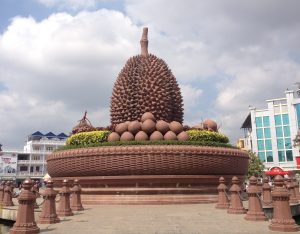
Mencicipi Durian di Kampot: Wisata Buah Unik di Kamboja

mayday2000 – Kampot, sebuah kota kecil yang terletak di tepi sungai dengan latar belakang pegunungan yang indah, kini menjadi tujuan wisata yang menarik bagi pecinta kuliner dan pencinta buah-buahan unik, terutama durian. Dikenal sebagai “raja buah,” durian adalah buah yang sangat populer di Asia Tenggara, dan Kampot menawarkan pengalaman mencicipi durian yang tiada duanya.

Durian Kampot terkenal karena rasa dan aromanya yang khas. Varietas durian lokal, seperti Durian Musang King dan Durian Kampot, memiliki tekstur yang krim dan rasa yang manis, membuatnya menjadi primadona bagi para penggemar durian. Banyak pengunjung yang datang dari berbagai penjuru untuk mencicipi durian segar langsung dari kebun.

Mencicipi Durian di Kampot: Wisata Buah Unik di Kamboja

Bagi wisatawan yang ingin merasakan sensasi mencicipi durian, banyak kebun durian di sekitar Kampot yang menawarkan tur. Para pengunjung dapat belajar tentang cara menanam durian, proses pemanenan, dan bahkan berkesempatan untuk memetik durian sendiri. Dalam tur ini, pengunjung juga dapat menikmati durian segar yang baru dipetik, serta berbagai hidangan olahan durian yang menggugah selera.

Setiap tahun, Kampot menyelenggarakan Festival Durian, di mana para petani dan pengusaha lokal berkumpul untuk merayakan hasil panen durian. Festival ini menampilkan berbagai jenis durian, kompetisi mencicipi durian, serta berbagai makanan dan minuman yang terbuat dari durian. Ini adalah waktu yang tepat bagi para penggemar durian untuk berkumpul dan berbagi pengalaman.

Mencicipi Durian di Kampot: Wisata Buah Unik di Kamboja

Bagi mereka yang baru pertama kali mencoba durian, ada beberapa tips yang bisa diikuti:

  1. Pilih Durian yang Matang: Cari durian yang memiliki aroma kuat dan sedikit lunak saat ditekan.
  2. Siapkan Diri untuk Aroma: Durian dikenal karena aromanya yang menyengat, jadi siapkan diri sebelum mencobanya.
  3. Nikmati dengan Teman: Mencicipi durian akan lebih menyenangkan jika dilakukan bersama teman-teman, sehingga bisa saling berbagi pengalaman.

Mencicipi durian di Kampot adalah pengalaman yang tidak boleh dilewatkan bagi siapa saja yang mengunjungi kamboja slot. Dengan pemandangan alam yang menakjubkan, budaya lokal yang kaya, dan buah durian yang lezat, Kampot menjadi salah satu destinasi wisata kuliner yang unik dan menarik. Jadi, siapkan diri Anda untuk merasakan sensasi menyantap “raja buah” di jantung Kamboja.

The Equatorial Islands: Kiribati

mayday2000.org – In the vast expanse of the Pacific Ocean, the Republic of Kiribati stands as a unique archipelago that straddles the equator. This nation, composed of 33 atolls and reef islands, is a testament to the beauty and diversity of the Pacific Islands. Kiribati, with its rich culture and pressing environmental challenges, offers a glimpse into the life of a small island developing state.

A Glimpse into the Geography and Climate

Kiribati is spread over an area of more than 3.5 million square kilometers, making it one of the largest countries in the world by land area. However, its total landmass is just over 800 square kilometers, making it one of the smallest in terms of population and land area. The islands are divided into three main groups: the Gilbert Islands, the Phoenix Islands, and the Line Islands.

The climate in Kiribati is tropical, with temperatures averaging around 27 degrees Celsius throughout the year. The country experiences two main seasons: the wet season from November to March and the dry season from April to October. The islands are prone to natural disasters such as cyclones and sea-level rise, which pose significant challenges to the local population.

The Historical Tapestry of Kiribati

The history of Kiribati is deeply intertwined with the sea and the islands’ strategic location in the Pacific. The first inhabitants were the Micronesian and Polynesian peoples, who settled the islands centuries ago. The arrival of European explorers in the 16th century marked the beginning of external influence, with the islands coming under British colonial rule in the 19th century.

Kiribati gained independence from Britain in 1979, becoming a sovereign nation. The country has since navigated the complexities of international relations while addressing the urgent challenges of climate change and sustainable development.

The Cultural Mosaic

The culture of Kiribati is a rich tapestry of traditions, languages, and customs. The people of Kiribati, known as I-Kiribati, are known for their hospitality, resilience, and strong community bonds. The national language is Kiribati, although English is also widely spoken.

Traditional practices such as weaving, canoe building, and dance are still prevalent and are passed down through generations. The annual Te Maeva Nui festival celebrates the country’s independence and showcases the rich cultural heritage of Kiribati.

Economic Pillars: Fishing and Climate Resilience

The economy of Kiribati is primarily based on subsistence farming and fishing. The country has one of the largest exclusive economic zones (EEZ) in the world, which is rich in marine resources. Fishing, particularly for tuna, is a significant source of income and employment.

Climate change is a major concern for Kiribati, as rising sea levels threaten the very existence of the low-lying islands. The government is investing in climate resilience projects, such as sea walls and mangrove plantations, to protect the islands and ensure the sustainability of the local environment.

Natural Wonders and Conservation Efforts

Kiribati is home to a variety of natural wonders, including pristine beaches, coral reefs, and abundant marine life. The Phoenix Islands Protected Area (PIPA) is one of the world’s largest marine protected areas, covering over 400,000 square kilometers and providing a sanctuary for marine species such as sharks, turtles, and fish.

The government and local communities are engaged in conservation efforts to protect the islands’ fragile ecosystems. These initiatives include sustainable fishing practices, waste management programs, and community-based conservation projects.

Conclusion

Kiribati, with its unique geography, rich history, and vibrant culture, offers a glimpse into the life of a small island developing state. The challenges faced by Kiribati, particularly those related to climate change, are emblematic of the broader issues facing the Pacific Islands. As Kiribati continues to navigate these challenges, it remains a symbol of resilience and hope in the face of adversity.

The Economy of Cyprus: Past and Present

mayday2000.org – Cyprus, an island nation in the eastern Mediterranean, has a rich economic history that reflects its strategic location and diverse cultural influences. From ancient times to the present day, the Cypriot economy has evolved through various stages, adapting to changing global trends and challenges. This article explores the economic journey of Cyprus, from its historical foundations to its current status as a modern, service-oriented economy.

Ancient Economy: Trade and Agriculture

The economy of ancient Cyprus was primarily based on agriculture and trade. The island’s fertile soil and favorable climate supported the cultivation of crops such as wheat, barley, and olives, while its strategic location made it a hub for trade between the Mediterranean and the Near East. The ancient Cypriots were skilled metalworkers, particularly in copper, which was mined on the island and traded extensively. This period laid the foundations for Cyprus’s role as a commercial center in the region.

Byzantine and Ottoman Eras: Continuity and Change

During the Byzantine and Ottoman periods, the Cypriot economy Spaceman Slot continued to be dominated by agriculture, with the addition of new crops such as cotton and sugar cane. The island’s trade networks expanded, and it became an important stop on the spice routes. However, the economy also faced challenges, including invasions, natural disasters, and changes in trade patterns, which impacted its growth and development.

British Colonial Period: Modernization and Diversification

The British colonial period, from 1878 to 1960, brought significant changes to the Cypriot economy. The British introduced new agricultural techniques and crops, such as citrus fruits, which became a major export. The colonial administration also invested in infrastructure, including roads, ports, and telecommunications, which facilitated trade and economic development. Additionally, the service sector began to grow, with an increase in banking, education, and tourism.

Post-Independence: Economic Growth and Challenges

After gaining independence in 1960, Cyprus embarked on a path of rapid economic growth. The government pursued policies aimed at diversifying the economy, with a focus on manufacturing, tourism, and financial services. The 1974 Turkish invasion and the subsequent division of the island presented significant challenges, but the economy continued to grow, supported by the resilience of the Cypriot people and the adoption of sound economic policies.

The 21st Century: A Modern, Service-Oriented Economy

Today, the economy of Cyprus is characterized by its service sector, which accounts for the majority of GDP and employment. Key sectors include tourism, banking, and energy. Cyprus has positioned itself as a regional business center, with a well-developed legal and regulatory framework that attracts foreign investment. The island’s strategic location and membership in the European Union further enhance its economic prospects.

Tourism: A Cornerstone of the Economy

Tourism is a major pillar of the Cypriot economy, attracting millions of visitors each year with its beautiful beaches, rich history, and cultural heritage. The government has invested in developing the tourism infrastructure, including hotels, resorts, and cultural attractions, to meet the growing demand.

Banking and Financial Services

The banking sector is another significant component of the Cypriot economy. Cyprus has established itself as an international financial center, with a robust regulatory framework and favorable tax policies that attract businesses and high-net-worth individuals. The sector has faced challenges, notably the financial crisis of 2012-2013, but has since undergone reforms to strengthen its stability and resilience.

Energy: New Opportunities

The discovery of hydrocarbon reserves in the Cypriot Exclusive Economic Zone has opened new opportunities for the economy. The development of these resources is expected to contribute to economic growth, create jobs, and enhance Cyprus’s strategic importance in the region.

Conclusion

The economy of Cyprus has come a long way from its ancient roots in trade and agriculture. Today, it stands as a testament to the resilience and adaptability of the Cypriot people. With a focus on the service sector, particularly tourism, banking, and emerging energy opportunities, Cyprus continues to navigate the complexities of the global economy. As the island looks to the future, it remains committed to sustainable growth and development, building on its rich history and strategic advantages to secure a prosperous future for its citizens.

World Bank Report 2024: Sri Lanka’s Economic Growth Forecast

mayday2000.org – Sri Lanka, a country that has faced significant economic challenges in recent years, is showing signs of recovery. The World Bank’s latest report on Sri Lanka’s economy provides a detailed outlook for the coming years, highlighting both the progress made and the challenges that lie ahead.

Current Economic Situation

In 2023, Sri Lanka experienced a severe economic crisis, with the economy contracting by 3.8% due to a combination of structural weaknesses, exogenous shocks, and policy mistakes. The crisis led to a significant drop in official reserves, severe shortages of essential goods, and a sharp increase in inflation and poverty levels.

World Bank’s Forecast for 2024

The World Bank has raised its forecast for Sri Lanka’s economic growth in 2024 to 2.2%. This projection is based on the country’s faster-than-expected recovery from its worst financial crisis. The report highlights several factors contributing to this growth:

  1. Recovery in Private Sector Activity: There has been a notable increase in private sector activity, particularly in tourism and remittances, which have rebounded sharply.
  2. Stabilization of the Economy: The economy is showing signs of stabilization, with improvements in liquidity and a decline in the government’s cost of domestic borrowing.
  3. Monetary Policy Adjustments: The central bank has cut policy rates, which has helped reduce the cost of borrowing and stimulate economic activity.

Long-term Outlook

The World Bank’s report also provides a long-term outlook for Sri Lanka’s economy. If successful debt restructuring negotiations and structural reforms are implemented, the economy is expected to grow further:

  • 2025: 2.5%
  • 2026: 3.0%58

These projections are contingent on the successful implementation of economic reforms and the resolution of debt issues.

Challenges and Risks

Despite the positive outlook, Sri Lanka still faces several challenges and risks:

  1. Poverty and Inequality: The poverty rate is expected to remain elevated, with approximately 22% of the population still living in poverty by 2026. The government needs to focus on comprehensive livelihood development plans, including support for small and medium-sized enterprises (SMEs).
  2. Debt and Fiscal Deficit: The high fiscal deficit, primarily due to interest payments, remains a significant concern. The government must address the issue of public and publicly guaranteed debt, which has ballooned to 119.2% of GDP.
  3. Structural Reforms: Continued efforts are needed to implement structural reforms, particularly in the management of state-owned enterprises (SOEs), to reduce their fiscal burden and attract foreign investment.

Conclusion

Sri Lanka’s economy is on a path to recovery, with the World Bank projecting a 2.2% growth rate for 2024. However, the country must navigate through significant challenges, including poverty, high debt levels, and the need for structural reforms. With the right policies and international support, Sri Lanka can achieve sustained economic growth and stability in the coming years.

Seoul: The Heart of South Korea

mayday2000.org – Seoul, the vibrant capital city of South Korea, is a bustling metropolis that seamlessly blends tradition with modernity. As the heart of South Korea, Seoul is not only the country’s political and economic powerhouse but also a cultural hub that captivates visitors from around the globe.

A City of Contrasts

At first glance, Seoul may appear to be a city of skyscrapers, neon lights, and non-stop activity. However, delve deeper, and you’ll discover a place where ancient temples and palaces stand proudly amidst the futuristic architecture. The city’s juxtaposition of old and new is one of its most enchanting features, offering a unique experience for travelers seeking both historical insight and contemporary urban life.

Historical Roots

Seoul’s history dates back over 2,000 years, and its rich heritage is evident in the five grand palaces that dot the city. Gyeongbokgung, the largest of these, is a testament to the grandeur of the Joseon Dynasty, with its intricate design and beautiful gardens. Visitors can also explore the National Folk Museum and the National Palace Museum of Korea, which are housed within the palace grounds, to gain a deeper understanding of Korean culture and history.

Modern Marvels

On the other end of the spectrum, Seoul is a city that never sleeps, with districts like Gangnam and Hongdae pulsating with energy. Gangnam is famous for its luxury shopping, upscale restaurants, and the iconic Gangnam Style dance, while Hongdae is known for its youthful vibe, indie music scene, and street art.

Culinary Delights

Seoul’s food scene is as diverse as the city itself, offering everything from street food to haute cuisine. Korean barbecue, kimchi, and bibimbap are must-tries for any visitor. The city’s markets, such as Namdaemun and Dongdaemun, not only offer a plethora of shopping opportunities but also serve up some of the best local eats.

Green Spaces

Despite its urban sprawl, Seoul is home to numerous parks and green spaces that provide a tranquil escape from the hustle and bustle. Namsan Park, with its N Seoul Tower offering panoramic views of the city, and the Han River Park, where locals and tourists alike enjoy cycling, picnicking, and watching the sunset, are just a few examples of the city’s commitment to preserving nature within its limits.

Technological Innovation

As a global leader in technology, Seoul is at the forefront of digital advancements. The city boasts super-fast internet, smart transportation systems, and cutting-edge digital displays that light up the night sky. The COEX Mall, one of the largest underground shopping centers in the world, is a prime example of the city’s innovative spirit.

Cultural Festivals

Seoul’s cultural calendar is packed with festivals that celebrate everything from art and music to food and technology. The DMZ International Documentary Film Festival, the Jongmyo Jeryeak Royal Ancestral Rite, and the Seoul International Fireworks Festival are just a few highlights that showcase the city’s rich cultural tapestry.

Conclusion

Seoul is a city that defies easy categorization. It is a place where the past and future converge, where tradition and innovation coexist, and where the heart of South Korea truly beats. Whether you’re exploring its historical sites, indulging in its culinary offerings, or experiencing its dynamic nightlife, Seoul promises an unforgettable journey through one of Asia’s most captivating capitals.

Mozambique’s Cultural Tapestry: A Blend of Traditions

mayday2000.org – Mozambique, a country nestled on the southeastern coast of Africa, is a vibrant mosaic of cultures, languages, and traditions. This rich tapestry is a result of centuries of interaction between indigenous African groups, Arab traders, and Portuguese colonizers, each leaving an indelible mark on the nation’s identity.

A Historical Overview

Mozambique’s history is a complex narrative of trade, colonization, and struggle for independence. The Mozambican coast was a hub for trade between the interior of Africa and the wider world for centuries. The arrival of the Portuguese in the 15th century marked the beginning of a long period of colonization, which lasted until the mid-20th century. This era was characterized by cultural exchange as well as conflict and exploitation.

The struggle for independence gained momentum in the mid-20th century, with the Mozambican Liberation Front (FRELIMO) leading the fight against Portuguese rule. After a protracted guerrilla war, Mozambique finally gained independence in 1975. However, the euphoria of independence was short-lived as internal conflicts erupted, fueled by Cold War dynamics and regional power struggles. The civil war, lasting from 1977 to 1992, devastated the country and claimed hundreds of thousands of lives.

Cultural Diversity and Heritage

Mozambique’s cultural landscape is incredibly diverse, shaped by centuries of interaction between indigenous traditions, Portuguese colonial influences, and influences from neighboring African nations. The country is home to numerous ethnic groups, each with its own language, customs, and traditions. The Makhuwa, Tsonga, and Shona are among the largest ethnic groups in Mozambique, with distinct cultural practices and histories.

Traditional Music and Dance

Traditional music and dance play a central role in Mozambican culture. Styles such as Marrabenta and Marimba reflect the country’s rich musical heritage. The Chopi people, for instance, are known for their Timbila, a xylophone-like instrument that has transcended its role in traditional ceremonies to become a significant part of Mozambican cultural identity.

Festivals and Ceremonies

Traditional ceremonies and festivals offer glimpses into Mozambique’s rich cultural tapestry. The Mapiko mask dance and the Marrabenta music festival are just a few examples of the vibrant celebrations that showcase the country’s diverse cultural heritage.

Language and Religion

Portuguese serves as the official language of Mozambique, a legacy of the country’s colonial past. However, numerous indigenous languages are also spoken, reflecting the nation’s ethnic diversity. Roman Catholicism is the predominant religion, followed by Protestant Christianity, Zionist Christianity, and Evangelical/Pentecostal Christianity.

Cuisine

Mozambican cuisine is a fusion of African and Portuguese flavors, with a focus on seafood, stews, and a variety of spices. Dishes like Matapa, a stew made with cassava leaves, shrimp, crab, coconut milk, and cashews, and Piri Piri chicken, grilled chicken prepared in a spicy sauce, are staples of the local diet.

Arts and Crafts

Mozambique boasts a rich tradition in arts and crafts. The Makonde people, for example, are renowned for their expertise in wood carving and produce elaborate masks used in ritual dances. The country’s folk art represents the indigenous cultural beliefs and has evolved over time, reflecting both oppression and liberation.

Modern Cultural Scene

Today, Mozambique’s cultural scene is a dynamic blend of traditional and contemporary influences. In cities like Maputo, modern art flourishes alongside traditional practices. The country’s music scene ranges from folk music to modern pop and rock, serving various purposes from entertainment to traditional and religious rituals.

Conclusion

Mozambique’s cultural tapestry is a testament to its resilience and diversity. Despite enduring centuries of colonial rule and a devastating civil war, the nation has shown remarkable potential for growth and development. By fostering peace, stability, and inclusive development, Mozambique can continue to thrive, preserving its rich cultural heritage for future generations.

Where Turquoise Waters Meet Laid-Back Living: The Bahamas

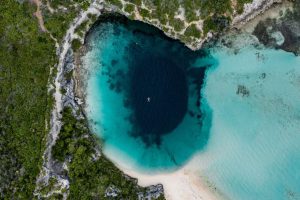
mayday2000.org – Nestled in the western part of the North Atlantic Ocean, The Bahamas is a captivating archipelago that boasts some of the most breathtaking turquoise waters on the planet. This tropical paradise, known for its laid-back lifestyle, is a haven for those seeking to escape the hustle and bustle of everyday life. With its unique blend of natural beauty and serene living, The Bahamas offers an unparalleled experience for both locals and visitors alike.

The Allure of Turquoise Waters

The Bahamas’ turquoise waters are a sight to behold, drawing tourists from all corners of the globe. These stunning waters are a result of the shallow sea floor, which is made up of white sand and limestone. The sunlight penetrates the clear water, reflecting off the sand and creating the vibrant hues that are so characteristic of The Bahamas. Snorkeling and diving in these waters reveal a kaleidoscope of marine life, including colorful fish, coral reefs, and even shipwrecks that have found their final resting place in this underwater paradise.

A Laid-Back Lifestyle

The laid-back lifestyle of The Bahamas is as much a part of its charm as its turquoise waters. The islands move at a slower pace, encouraging relaxation and enjoyment of the simple pleasures in life. Locals and visitors alike can be seen lounging on the pristine beaches, sipping on refreshing cocktails, and soaking up the sun. The Bahamian culture is one of warmth and hospitality, with a strong emphasis on community and family. This sense of togetherness is evident in the many festivals and events that take place throughout the year, celebrating the islands’ rich history and traditions.

Exploring The Bahamas

Visitors to The Bahamas have a plethora of activities to choose from, ensuring that there is something for everyone. From world-class fishing and boating to exploring the numerous cays and islands, the options are endless. For those seeking adventure, there are opportunities to swim with pigs on the uninhabited island of Pig Beach, or to take a seaplane tour to get a bird’s-eye view of the Exumas’ famous land and seascapes.

Conclusion

The Bahamas stands as a testament to the beauty of the natural world and the joy of living life at a leisurely pace. Its turquoise waters and laid-back lifestyle offer a respite from the demands of modern life, inviting all to immerse themselves in the tranquility of island living. Whether you’re looking to unwind on a secluded beach, explore the vibrant marine life, or simply soak up the local culture, The Bahamas promises an unforgettable experience that will leave you longing to return.

National Pastimes: Swedish Sports and Recreation

mayday2000.org – Sweden is a country where sports and outdoor recreation are deeply ingrained in the national culture. From professional leagues to casual weekend activities, Swedes have a passion for staying active and enjoying the great outdoors. This article explores the most popular sports and recreational activities in Sweden, highlighting their significance in Swedish life.

Ice Hockey: A National Obsession

Ice hockey is the most popular sport in Sweden, capturing the hearts of millions of fans across the country. The Swedish Hockey League (SHL) is the premier professional ice hockey league, featuring top talent and fierce competition. Sweden has also made a significant impact on the international stage, winning multiple gold medals at the Winter Olympics and the World Championships. The success of the national team, known as “Tre Kronor” (Three Crowns), has further fueled the nation’s love for the game.

Football (Soccer): A Growing Phenomenon

Football (soccer) is another major sport in Sweden, with a strong following and a rich history. The Allsvenskan is the top-tier football league in the country, featuring professional clubs that compete for the national championship. Sweden’s national football team has achieved notable results in international competitions, including reaching the quarter-finals of the 2018 FIFA World Cup. The country has also produced several world-class players who have made their mark in Europe’s top leagues.

Cross-Country Skiing: A Winter Tradition

Cross-country skiing is a traditional winter sport in Sweden, enjoyed by people of all ages and skill levels. The country’s vast network of trails, known as “skidspår,” offers endless opportunities for skiing through picturesque landscapes. Sweden has a strong tradition in competitive cross-country skiing, with numerous Olympic and World Championship medals. The Vasaloppet, one of the world’s oldest and longest cross-country ski competitions, is held annually in Sweden, attracting thousands of participants from around the globe.

Golf: A Growing Passion

Golf has become increasingly popular in Sweden, with a growing number of courses and a passionate community of players. The country has produced several successful professional golfers who have achieved success on the European and PGA Tours. The Swedish Golf Tour provides opportunities for aspiring players to compete at a national level, while the annual Scandinavian Invitation is a prestigious event that attracts top international talent.

Outdoor Recreation: A Way of Life

Beyond organized sports, outdoor recreation is a way of life for many Swedes. The “Right of Public Access,” known as “Allemansrätten,” allows everyone the freedom to roam the countryside, encouraging outdoor activities such as hiking, camping, and fishing. National parks and nature reserves offer protected areas for wildlife and outdoor enthusiasts to explore. The Swedish climate, with its distinct seasons, provides a diverse range of outdoor experiences, from summer sailing to winter ice climbing.

Conclusion

Swedish sports and recreation reflect a deep-seated love for physical activity and the outdoors. Whether it’s cheering on a national team, competing in a local league, or simply enjoying nature, Swedes find countless ways to stay active and connected to their environment. These national pastimes not only contribute to the physical well-being of the population but also play a vital role in shaping the social fabric of Swedish society.

The Basic Law of Saudi Arabia: Constitution-Like Charter

mayday2000.org – The Basic Law of Saudi Arabia, also known as the Basic System of Governance, serves as a constitution-like document that outlines the fundamental principles and governance structure of the Kingdom. This charter, consisting of nine chapters and 83 articles, was issued by King Fahd on March 1, 1992, following the Iraqi invasion of Kuwait and the First Gulf War.

General Principles

The Basic Law begins with Article 1, which establishes the Kingdom of Saudi Arabia as a sovereign Arab and Islamic state, with Islam as its religion and the Holy Qur’an and the Sunnah of the Prophet as its constitution. Arabic is the official language, and the capital is Riyadh.

Political System

The political system of Saudi Arabia is a monarchy, with the king as the head of state and government. The king must be a male descendant of King Abdulaziz Al Saud, the founder of the modern state. The king has the authority to appoint and dismiss the crown prince, who is the heir apparent and assists the king in his duties.

Legal System

The legal system of Saudi Arabia is based on Islamic law, known as Sharia. The Basic Law emphasizes that all laws and regulations must be in accordance with the principles of Islam.

Social and Economic Policies

The Basic Law also outlines the social and economic policies of the Kingdom. It emphasizes the importance of family, education, and economic development. The state is responsible for maintaining social harmony and ensuring that all citizens have access to education and employment opportunities.

Role of the Shura (Consultative Assembly)

The Shura, or Consultative Assembly, plays a significant role in the governance of Saudi Arabia. It is a representative body that advises the government on various matters and has the power to propose laws and policies.

Amendments and Implementation

The Basic Law has been amended several times since its inception to reflect changes in the political and social landscape of Saudi Arabia. The most recent amendments were made in 2013, which included changes to the political and economic systems.

Conclusion

The Basic Law of Saudi Arabia is a comprehensive document that provides the legal and political framework for the governance of the Kingdom. It is a testament to the commitment of the Saudi government to uphold the principles of Islam and to ensure the welfare of its citizens. As Saudi Arabia continues to evolve, the Basic Law will undoubtedly play a crucial role in shaping its future.

Crucial Player in Global Events: France’s Storied Military History

mayday2000.org – France has a rich and complex military history that spans centuries, marked by significant victories, strategic alliances, and pivotal roles in major historical events. This article explores the key aspects of France’s military past and its enduring impact on the world.

The Rise of a Military Power

The Middle Ages

France’s military history can be traced back to the Middle Ages, a period characterized by feudal warfare and the Crusades. The most famous episode from this era is the Hundred Years’ War (1337–1453) between France and England, which saw the rise of national identity and the emergence of iconic figures such as Joan of Arc.

The Napoleonic Wars

The early 19th century was dominated by the Napoleonic Wars, during which Napoleon Bonaparte rose to power. His military campaigns, marked by innovative tactics and strategic brilliance, reshaped the map of Europe and influenced military strategy for generations to come.

Key Battles and Campaigns

The Battle of Tours (732)

One of the earliest and most significant battles in French military history is the Battle of Tours, where Charles Martel led the Frankish forces to victory against the Umayyad Caliphate. This battle is often cited as a turning point in European history, halting the Islamic advance into Western Europe.

The Siege of Orleans (1428–1429)

The Siege of Orleans is another pivotal moment, where Joan of Arc played a crucial role in lifting the English siege. This victory marked a turning point in the Hundred Years’ War and became a symbol of French resistance and unity.

The Battle of Austerlitz (1805)

Napoleon’s greatest victory, the Battle of Austerlitz, showcased his tactical genius. By defeating a larger force of Russian and Austrian troops, Napoleon secured his position as one of history’s most formidable military leaders.

The World Wars

World War I

France played a central role in World War I, with major battles such as the Marne and Verdun fought on its soil. The war left a lasting impact on France, both in terms of human cost and the shaping of its military doctrine.

World War II

World War II saw France facing a rapid defeat by Nazi Germany in 1940, leading to the occupation of the country. However, the French Resistance, along with the Free French Forces led by Charles de Gaulle, played a crucial role in the liberation of France and the Allied victory.

Post-War Era and Beyond

The Cold War and Decolonization

In the post-World War II era, France faced the challenges of decolonization and the Cold War. Its military engagements in Indochina and Algeria were pivotal moments in the process of decolonization and had lasting impacts on French society and politics.

Modern Military Contributions

Today, France maintains one of the world’s most powerful military forces, playing active roles in international peacekeeping missions, counter-terrorism operations, and humanitarian interventions. The French military’s professionalism and capability are recognized globally.

Conclusion

France’s military history is a testament to its resilience, strategic acumen, and pivotal role in shaping the modern world. From medieval battles to contemporary conflicts, the French military has left an indelible mark on global history, reflecting the country’s enduring influence and power.

From Santería to Catholicism: Cuba’s Religious Landscape

mayday2000.org – Cuba’s religious landscape is a rich tapestry woven from various beliefs and practices, reflecting the island’s diverse cultural heritage. From the syncretic traditions of Santería to the deeply rooted influence of Catholicism, Cuban spirituality is characterized by a unique blend of African, indigenous, and European influences. This article explores the key religious practices in Cuba, highlighting the coexistence and interplay of different faiths on the island.

The Influence of Catholicism

Catholicism was introduced to Cuba by the Spanish colonizers in the 16th century and has since become one of the dominant religions on the island. The Catholic Church played a significant role in the colonial administration and the evangelization of the indigenous population and African slaves. Today, Catholicism continues to have a strong presence in Cuba, with significant events such as the papal visits of John Paul II in 1998 and Benedict XVI in 2012 reinforcing its influence.

Santería: A Syncretic Faith

Santería, also known as Lucumí, is a syncretic religion that emerged in Cuba during the colonial period. It combines elements of West African Yoruba religious traditions with Catholic saints and rituals. Santería practitioners worship Orishas, deities that represent natural elements and human emotions, each associated with a Catholic saint. The religion involves complex rituals, music, dance, and the use of sacred objects to communicate with the spiritual world.

Other Religious Practices

In addition to Catholicism and Santería, Cuba’s religious landscape includes other practices such as Spiritism, a belief system that incorporates elements of spiritualism and Kardecist doctrines. Spiritism gained popularity in the late 19th and early 20th centuries and continues to have followers in Cuba. There are also smaller communities of Protestants, Jews, and practitioners of other African-derived religions like Palo Monte and Abakuá.

The Coexistence of Faiths

One of the most striking aspects of Cuba’s religious landscape is the peaceful coexistence and intermingling of different faiths. It is not uncommon for individuals to participate in both Catholic and Santería rituals, reflecting a syncretic approach to spirituality. This fluidity allows for a dynamic religious environment where beliefs and practices from various traditions can be integrated into personal and communal worship.

The Role of Religion in Cuban Society

Religion in Cuba plays a significant role in shaping cultural identity, social cohesion, and even political discourse. Despite the official atheism of the Cuban government under the Communist Party, religious practices have persisted and even flourished. The government has taken steps to recognize and engage with religious communities, acknowledging their importance in Cuban society.

Conclusion

Cuba’s religious landscape is a testament to the island’s rich cultural heritage and the resilience of its people. From the deeply ingrained traditions of Santería to the enduring influence of Catholicism, the coexistence of various faiths in Cuba reflects a unique spiritual journey. As the country continues to evolve, its religious practices remain a vital part of Cuban identity, bridging the past and present in a harmonious celebration of faith and culture.

Muyinga Millet Fields: The Golden Harvest

mayday2000.org – In the heart of Burundi, the Muyinga Millet Fields stretch across the landscape like a golden sea, embodying the resilience and agricultural heritage of the region. These fields are not just a testament to the fertility of the land but also represent a vital source of sustenance and livelihood for the local communities. The cultivation of millet, a hardy crop that thrives in arid conditions, is a tradition that has been passed down through generations, reflecting the deep connection between the people of Muyinga and their land.

A Resilient Crop

Millet is a cereal grain known for its ability to grow in harsh conditions, making it an ideal crop for the semi-arid regions of Burundi. The Muyinga Millet Fields are a prime example of how this versatile grain has become a cornerstone of local agriculture. Farmers in Muyinga have honed their cultivation techniques over the years, adapting to the changing climate and soil conditions to ensure a bountiful harvest.

A Vital Source of Nutrition

Millet is a nutritional powerhouse, rich in essential vitamins, minerals, and fiber. It forms a significant part of the diet in Muyinga, providing a valuable source of sustenance for the local population. The grain is used in a variety of dishes, from porridges and bread to beer, showcasing its versatility and importance in Burundian cuisine.

Economic Importance

The Muyinga Millet Fields play a crucial role in the local economy. The cultivation and sale of millet support numerous families, contributing to their financial stability and food security. Additionally, the surplus production is often sold in local markets or even exported, further enhancing its economic value.

Tradition and Innovation

While the cultivation of millet in Muyinga is deeply rooted in tradition, farmers are also embracing modern agricultural practices to improve yield and sustainability. Techniques such as crop rotation, the use of organic fertilizers, and improved seed varieties are being adopted to ensure that the fields remain productive and the soil fertile.

Community and Culture

The millet fields are more than just agricultural plots; they are a focal point for community life in Muyinga. Harvest time is a particularly festive occasion, bringing together families and friends to share in the labor and the joy of the harvest. These gatherings are steeped in tradition, featuring songs, dances, and feasts that celebrate the bond between the people and their land.

Conclusion

The Muyinga Millet Fields are a symbol of the region’s agricultural prowess and cultural richness. They stand as a testament to the resilience of the local communities and their deep connection to the land. As Burundi continues to face challenges such as climate change and food security, the millet fields offer a beacon of hope and a reminder of the importance of traditional crops in sustaining both the environment and the people.

The Importance of Agriculture in Grenada: Nutmeg Production

mayday2000.org – Grenada, often referred to as the “Isle of Spice,” holds a unique position in the agricultural world, primarily due to its significant production of nutmeg. This article explores the importance of agriculture in Grenada, with a particular emphasis on nutmeg production, its economic impact, and the challenges faced by the industry.

The Significance of Agriculture in Grenada

Agriculture is a cornerstone of Grenada’s economy, contributing significantly to the country’s GDP and providing employment for a substantial portion of its workforce. The sector is diverse, encompassing the cultivation of a variety of crops, including bananas, cocoa, and a range of exotic spices. However, it is nutmeg that stands out as Grenada’s most iconic agricultural product.

Nutmeg Production: A Key Economic Driver

Nutmeg is not only a vital component of Grenada’s agricultural landscape but also a significant economic driver. The country is the second-largest producer of nutmeg in the world, after Indonesia, and is renowned for the high quality of its nutmeg. This spice is integral to Grenada’s economy, with a substantial portion of the crop being exported to international markets.

The production of nutmeg involves meticulous cultivation techniques and a lengthy growth cycle, with trees taking up to seven years to bear fruit. Despite these challenges, Grenadian farmers have mastered the art of nutmeg cultivation, ensuring a consistent supply of this valuable spice.

Economic Impact and Export Markets

The economic impact of nutmeg production in Grenada is profound. The export of nutmeg and its by-products, such as mace, generates substantial foreign exchange and supports numerous ancillary industries, including processing, packaging, and shipping. The global demand for nutmeg, driven by its use in culinary, medicinal, and cosmetic applications, ensures that Grenada’s nutmeg industry remains a vital economic sector.

Challenges Faced by Nutmeg Production

Despite its economic significance, nutmeg production in Grenada faces several challenges. Climate change poses a significant threat, with changing weather patterns affecting crop yields and increasing the incidence of pests and diseases. Additionally, the industry must contend with international market volatility and competition from other producing countries.

To address these challenges, Grenada’s government and agricultural stakeholders are investing in research and development, sustainable farming practices, and market diversification. Efforts are also being made to enhance the value-added processing of nutmeg, thereby increasing its market value and reducing dependence on raw nutmeg exports.

Conclusion

The importance of agriculture, particularly nutmeg production, cannot be overstated in the context of Grenada’s economy and cultural identity. As the “Isle of Spice,” Grenada’s agricultural sector, with nutmeg at its forefront, plays a crucial role in driving economic growth, providing employment, and contributing to the country’s international trade. While challenges remain, the commitment of Grenadian farmers and the government’s support for the industry ensure that agriculture, and nutmeg production in particular, will continue to be a key pillar of Grenada’s economy and a source of national pride.

Switzerland’s Thrilling Victory at the W16 European Open 2024

mayday2000.org – Switzerland clinched their first-ever title at the W16 European Open 2024 in a dramatic final against Germany, showcasing a blend of skill, determination, and resilience. The match, which went to extra time and then penalties, was a testament to the high level of competition and the spirit of the game.

The Dramatic Final

The final was a nail-biting affair, with both teams displaying exceptional handball skills and tactical acumen. The game was closely contested, with neither team able to secure a clear lead until the final moments. As the clock ticked down, the tension was palpable, with both sets of supporters cheering their teams on.

Penalty Shootout

The match eventually went to extra time, and then penalties, adding an extra layer of drama to the proceedings. Switzerland, with their cool heads and precise shooting, managed to outdo Germany in the penalty shootout, securing a 34:31 victory. This win not only marked Switzerland’s maiden title at the W16 European Open but also highlighted their growing strength in international handball competitions.

Switzerland’s Journey to Victory

Switzerland’s path to the final was marked by consistent performances and strategic play. Throughout the tournament, they demonstrated a strong team ethic and a willingness to fight for every point. Their journey was not without challenges, but they managed to overcome each obstacle with determination and skill.

Key Moments

Several key moments during the tournament stood out, including their performance in the preliminary rounds where they showcased their ability to handle pressure and deliver when it mattered most. Their match against Germany in the final was a culmination of their hard work and dedication, leading to a well-deserved victory.

Impact of the Victory

Switzerland’s victory at the W16 European Open 2024 is a significant achievement for the country’s handball team. It not only brings them international recognition but also boosts their confidence and morale. This win is likely to inspire future generations of players and contribute to the growth of handball in Switzerland.

Future Prospects

The success of the Swiss team at the W16 European Open 2024 is a positive sign for the future of Swiss handball. It indicates that the country has the potential to compete at the highest levels and could be a force to reckon with in upcoming tournaments. The victory is a testament to the hard work and dedication of the players and coaching staff.

Conclusion

Switzerland’s dramatic title at the W16 European Open 2024 was a thrilling conclusion to a closely contested tournament. Their victory, secured through a nail-biting penalty shootout, marked a significant milestone for the country’s handball team. This win not only brings them international recognition but also sets a high standard for future performances. As they celebrate this historic achievement, the future looks bright for Swiss handball.

Suriname: A Hidden Gem of South America

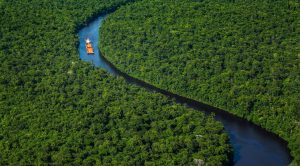
mayday2000.org – Nestled between the mighty Amazon Basin and the Atlantic Ocean, Suriname is a country that often flies under the radar of international travelers. This small nation, with its rich cultural tapestry and untouched natural beauty, is a true hidden gem of South America. From its vibrant capital city to its dense rainforests, Suriname offers a unique blend of experiences that are both exhilarating and enlightening.

A Melting Pot of Cultures

Suriname’s history is a testament to its diverse cultural heritage. The country was once a Dutch colony, and this colonial past is evident in the architecture and language of Paramaribo, the capital. However, Suriname’s cultural landscape is much broader, with significant influences from African, Indian, Indonesian, and Chinese communities. This melting pot of cultures is reflected in the country’s cuisine, festivals, and traditions, making it a fascinating destination for those interested in cultural exploration.

Untouched Natural Beauty

One of Suriname’s greatest assets is its pristine natural environment. The country boasts one of the highest percentages of rainforest cover in the world, with the Central Suriname Nature Reserve being a UNESCO World Heritage Site. This vast expanse of untouched wilderness is home to an incredible array of flora and fauna, including jaguars, giant otters, and harpy eagles. For nature lovers and adventure seekers, Suriname offers opportunities for hiking, bird watching, and even caiman spotting along the many rivers that crisscross the country.

Rich History and Heritage

Suriname’s historical sites provide a glimpse into the country’s colonial past and the struggles for independence. Fort Zeelandia in Paramaribo, with its distinctive red walls, is a symbol of Dutch colonial rule. The Suriname Museum, also located in the capital, houses artifacts and exhibits that tell the story of the country’s diverse cultures and history. For those interested in the country’s indigenous peoples, a visit to the Brown’sberg Nature Park offers insights into the traditional way of life of the Maroon communities.

Culinary Delights

The culinary scene in Suriname is as diverse as its population. A blend of Dutch, Indian, Indonesian, African, and Chinese influences, Surinamese cuisine is a feast for the senses. Must-try dishes include roti (a type of flatbread), pom (a sweet dessert made from cassava), and bara (a deep-fried snack). The vibrant markets in Paramaribo are the perfect place to sample these and other local delicacies.

A Unique Travel Experience

Suriname offers a unique travel experience that combines natural beauty, cultural diversity, and historical significance. Whether you’re exploring the rainforests, participating in a local festival, or simply enjoying the laid-back atmosphere of Paramaribo, this hidden gem of South America promises an unforgettable adventure. As the world continues to discover Suriname, it remains a place where the past and present coexist in harmony, offering a glimpse into a world that is rapidly disappearing elsewhere.

Attractions and Challenges: The Tourism Industry in Palau

mayday2000.org – Palau, a stunning archipelago in the Pacific Ocean, is renowned for its breathtaking natural beauty and rich cultural heritage. The tourism industry plays a crucial role in the economy of Palau, attracting visitors from around the globe with its unique attractions. However, the industry faces significant challenges that need to be addressed to ensure its sustainability and the preservation of Palau’s natural and cultural assets.

Attractions of Palau

Natural Wonders

Palau is a paradise for nature lovers, offering a plethora of natural attractions. The famous Jellyfish Lake, where stingless jellyfish thrive, is a highlight for many visitors. The Rock Islands, a UNESCO World Heritage site, feature unique limestone karst formations and crystal-clear waters, perfect for snorkeling and diving. Additionally, the diverse marine life, including vibrant coral reefs and a variety of fish species, makes Palau a top destination for underwater exploration.

Cultural Heritage

Beyond its natural beauty, Palau’s cultural heritage is equally captivating. The Palauan people have a rich history and traditions that are preserved through various cultural practices and festivals. Visitors can engage with local communities, learn about traditional crafts, and enjoy local cuisine, which reflects the blend of Micronesian, Japanese, and American influences.

Challenges Facing the Tourism Industry

Environmental Sustainability

One of the primary challenges facing Palau’s tourism industry is the need to balance economic growth with environmental sustainability. The country is highly susceptible to the impacts of climate change, including rising sea levels and coral bleaching, which threaten its natural attractions. The Palau Pledge, a commitment by visitors to respect the environment, is a step towards promoting sustainable tourism practices.

Infrastructure and Resource Constraints

Limited infrastructure and resources pose another significant challenge. Palau has limited transportation options and inadequate facilities to accommodate a growing number of tourists, which can lead to overcrowding and strain on local resources. The Palau Visitors Authority is working to address these issues by promoting sustainable tourism practices and enhancing visitor experiences.

Economic Volatility

The tourism industry in Palau is also vulnerable to external economic factors. The COVID-19 pandemic highlighted the fragility of the tourism sector, with significant policy changes in key tourism markets affecting recovery efforts. The reliance on a single industry makes Palau susceptible to economic downturns and fluctuations in global travel trends.

Conclusion

Palau’s tourism industry is a vital component of its economy, offering unparalleled natural and cultural experiences. However, the challenges of environmental sustainability, infrastructure constraints, and economic volatility require careful management to ensure the long-term viability of the industry. By embracing sustainable practices and investing in infrastructure, Palau can continue to attract visitors while preserving its unique natural and cultural heritage for future generations.

Navigating the Boom and Bust Cycles: Hong Kong’s Real Estate

mayday2000.org – Hong Kong’s real estate market has long been a subject of fascination and concern, characterized by its cyclical nature of booms and busts. This article explores the historical context, recent trends, and future prospects of the Hong Kong property market, drawing insights from various sources to provide a comprehensive overview.

Historical Context

Hong Kong’s real estate market has experienced several significant cycles since the mid-20th century. The first major boom occurred in the 1980s, fueled by the city’s economic growth and the relaxation of restrictions on land sales by the British colonial government6. This period saw a tripling of property prices, which eventually led to a market correction in the late 1990s due to the Asian financial crisis.

The 1997 Asian financial crisis was particularly devastating, causing a 50-60% drop in property prices and a significant downturn in the economy. The market began to recover in the early 2000s, supported by government measures and a gradual economic rebound.

Recent Trends

In recent years, Hong Kong’s property market has shown signs of both recovery and vulnerability. The market experienced a significant boom in 2008, following the global financial crisis, which was fueled by low interest rates and increased demand. However, the market has since faced challenges, including high inventory levels and interest rate hikes, which have put downward pressure on prices.

The COVID-19 pandemic has also had a mixed impact, with some areas experiencing a downturn due to reduced demand and economic uncertainty, while other areas have seen a surge in prices due to low interest rates and a shift towards more spacious living conditions.

Future Prospects

Looking ahead, the outlook for Hong Kong’s real estate market remains uncertain. On one hand, the city’s limited land supply and high demand from both local and foreign investors continue to support property prices. On the other hand, economic challenges, including the ongoing impact of the pandemic and geopolitical tensions, could lead to further market corrections.

The Hong Kong government has been implementing various measures to stabilize the market, including tax breaks and land supply initiatives, but the effectiveness of these measures remains to be seen.

Conclusion

Hong Kong’s real estate market is a complex and dynamic system, shaped by historical events, economic conditions, and government policies. While the city’s limited land supply and strong investor interest provide a solid foundation, the market’s cyclical nature means that future booms and busts are likely. Investors and homeowners alike must navigate these cycles with caution, informed by a deep understanding of the market’s historical trends and current conditions.

By examining the past, analyzing the present, and considering the future, stakeholders can better prepare for the challenges and opportunities that lie ahead in Hong Kong’s real estate market.

A Gastronomic Journey: The Culinary Delights of North Macedonia

mayday2000.org – North Macedonia, a landlocked country in the Balkan Peninsula, is not only rich in history and culture but also boasts a vibrant culinary scene that reflects its diverse influences. From the hearty stews and grilled meats to the array of pastries and sweets, North Macedonian cuisine is a testament to the country’s gastronomic heritage. This article takes you on a journey through the flavors and traditions that define the culinary landscape of North Macedonia.

The Heart of North Macedonian Cuisine: Tavče Gravče

At the heart of North Macedonian cuisine lies Tavče Gravče, a national dish that embodies the country’s culinary essence. This traditional dish consists of beans baked in a clay pot (tavče) with smoked pork, onions, and a variety of spices. The slow cooking process allows the flavors to meld together, resulting in a rich and comforting meal that is both simple and satisfying.

The Art of Baking: Burek and Pastries

North Macedonia is renowned for its pastries, with burek being a prime example. This flaky pastry is filled with a variety of ingredients such as cheese, meat, or spinach and is a staple in both everyday meals and special occasions. The art of making burek involves layering thin sheets of dough (known as phyllo) with the filling, then baking it until it’s golden and crispy.

The Sweet Tooth: Baklava and Tulumba

No exploration of North Macedonian cuisine would be complete without mentioning its sweets. Baklava, a dessert made of layers of phyllo dough filled with chopped nuts and sweetened with syrup or honey, is a favorite across the region. Another beloved treat is Tulumba, a pastry shaped like a finger, fried until golden, and then soaked in a sweet syrup. These desserts are not only a delight to the palate but also represent the country’s sweet traditions.

The Influence of Ottoman Cuisine

The culinary traditions of North Macedonia have been significantly influenced by the Ottoman Empire, which ruled the region for centuries. This influence is evident in the use of spices, the preparation of meats, and the love for coffee and sweets. Dishes like Kebapi, small grilled meatballs, and Musaka, a baked dish with layers of potatoes, meat, and eggplant, are a testament to this rich culinary exchange.

The Importance of Hospitality and Sharing

In North Macedonia, food is more than just sustenance; it’s a symbol of hospitality and sharing. Meals are often communal affairs, with families and friends gathering around the table to enjoy a variety of dishes. The culture of breaking bread together is deeply ingrained, making every meal an opportunity to connect and celebrate life.

Conclusion

The culinary delights of North Macedonia offer a window into the country’s soul, reflecting its history, culture, and the warmth of its people. From the savory to the sweet, each dish tells a story of tradition, innovation, and the joy of sharing good food. A gastronomic journey through North Macedonia is not just about tasting the flavors; it’s about experiencing the heart and soul of the country through its cuisine.

Understanding the Evolution of Filipino Beauty Standards

mayday2000.org – The concept of beauty in the Philippines is a complex interplay of historical, cultural, and global influences. This article delves into the evolving standards of beauty in the Philippines, exploring how they have been shaped by various factors such as colonization, media, and social media.

Historical Influences

Historically, Filipino beauty standards have been significantly influenced by colonial powers. The Spanish and American occupations have left a lasting impact on the perception of beauty in the Philippines. The Spanish colonization introduced the ideal of fair skin, which was seen as a sign of nobility and status, as only the wealthy could afford to stay indoors and avoid the sun. This preference for fair skin has persisted and is still evident in the widespread use of skin-whitening products.

Cultural and Media Influences

Cultural influences have also played a crucial role in shaping Filipino beauty standards. The Philippines, being a melting pot of various ethnicities, has seen a blend of indigenous and foreign features. However, the preference for Eurocentric features, such as fair skin and straight noses, has been perpetuated through media and social media. The idealized beauty standards often depicted in movies, magazines, and social media platforms have reinforced these preferences.

Modern Trends and Social Media

In recent years, the influence of social media and global trends has significantly impacted Filipino beauty standards. The rise of K-pop and Western beauty standards has introduced a new set of ideals, including a preference for flawless skin and a V-shaped face. Social media platforms have become a significant source of beauty inspiration, with influencers and celebrities setting new beauty benchmarks.

Challenges and Changes

Despite these influences, there is a growing movement towards embracing natural beauty and diversity. The Philippines is witnessing a shift towards appreciating different skin tones and body types. This shift is partly due to the increasing awareness of the harmful effects of colorism and the promotion of self-love and self-acceptance.

Conclusion

The Filipino beauty standard is a dynamic concept that continues to evolve. While historical and cultural influences have shaped the traditional ideals of beauty, modern trends and social media are reshaping these standards. The journey towards a more inclusive and diverse perception of beauty is ongoing, reflecting a broader societal shift towards embracing individuality and natural beauty.

As the Philippines continues to be influenced by global trends and its own rich cultural heritage, the definition of beauty is likely to become even more diverse and inclusive in the future.

Cultivating Gut Health in Kids: The Probiotic Powerhouse

mayday2000.org – In the bustling world of modern parenting, ensuring our children’s health and well-being is paramount. Among the many aspects of health, gut health has emerged as a critical factor in overall well-being. The gut, often referred to as the “second brain,” plays a pivotal role in immunity, mood regulation, and nutrient absorption. Probiotics, the good bacteria that reside in our gut, are essential for maintaining a healthy digestive system and overall health. This article delves into the world of probiotics, their significance in children’s health, and how to cultivate a probiotic powerhouse in your child’s gut.

Understanding Probiotics

Probiotics are live microorganisms that, when administered in adequate amounts, confer a health benefit on the host. These beneficial bacteria help in maintaining the natural balance of microorganisms in the intestines. They can help with digestion, boost the immune system, and protect against harmful pathogens.

The Importance of Gut Health in Children

Children’s bodies are growing and developing rapidly, making them more susceptible to infections and digestive issues. A healthy gut can help children fight off diseases, absorb nutrients more efficiently, and even influence their mood and behavior. Probiotics play a crucial role in supporting this vital ecosystem.

Sources of Probiotics for Kids

Incorporating probiotic-rich foods into your child’s diet is a natural way to boost their gut health. Some excellent sources of probiotics include:

  • Yogurt: Look for varieties that contain live and active cultures.
  • Kefir: A fermented milk drink that is rich in probiotics.
  • Sauerkraut and Kimchi: These fermented vegetables are packed with beneficial bacteria.
  • Tempeh and Miso: Soy products that are fermented and contain probiotics.

Supplements: A Boost for Kids’ Gut Health

While food is the best source of probiotics, supplements can be a helpful addition, especially for picky eaters or children with specific health needs. Probiotic supplements come in various forms, including capsules, powders, and chewable tablets, making it easier to incorporate them into your child’s routine.

Cultivating a Probiotic Powerhouse

To cultivate a probiotic powerhouse in your child’s gut, consider the following tips:

  • Diverse Diet: Encourage a varied diet rich in fruits, vegetables, whole grains, and lean proteins to feed the good bacteria in the gut.
  • Limit Antibiotics: While antibiotics are necessary for treating bacterial infections, overuse can disrupt the balance of good bacteria in the gut. Use them judiciously.
  • Stress Management: Stress can negatively impact gut health. Encourage activities that help your child relax and manage stress, such as exercise, reading, or meditation.

Conclusion

Cultivating gut health in kids is a powerful way to support their overall well-being. By understanding the importance of probiotics and incorporating them into your child’s diet, you can help build a strong foundation for their health. Remember, a healthy gut is the cornerstone of a healthy body and mind. Start today by making probiotics a part of your child’s health routine.

Borscht: Ukraine’s Hearty Beet Soup

mayday2000.org – Borscht, a vibrant and hearty soup, is not just a culinary delight but a symbol of Ukrainian culture and tradition. Originating from the Eastern European region, this soup has become synonymous with Ukraine, where it is cherished as a national dish. The key ingredient that gives borscht its distinctive color and flavor is the beet, which is celebrated for its earthy taste and nutritional benefits. This article delves into the history, preparation, and significance of borscht in Ukrainian cuisine and culture.

The History of Borscht

The origins of borscht can be traced back to the ancient Slavic peoples, who used a variety of vegetables and herbs to create a broth that was both nourishing and flavorful. Over time, the beet became the star ingredient, imparting a rich, red color and a unique sweetness to the soup. Borscht has evolved over the centuries, with each region adding its own twist to the recipe, but it remains a staple in Ukrainian households and restaurants.

Preparation of Borscht

Borscht is a versatile soup that can be prepared in numerous ways, but the traditional Ukrainian recipe typically includes beets, potatoes, carrots, onions, cabbage, and sometimes tomatoes. The vegetables are simmered in a meat broth, often made from beef or pork, although vegetarian versions are also popular. The soup is seasoned with garlic, bay leaves, and a mix of spices that may include black pepper, paprika, and dill.

One of the key steps in making borscht is the preparation of the beets. They are usually boiled or roasted before being added to the soup to ensure they are tender and their flavor is fully extracted. The cooking process is slow, allowing the ingredients to meld together and create a rich, comforting dish.

Serving Borscht

Borscht is typically served hot, garnished with a dollop of sour cream and a sprinkle of fresh herbs. This not only adds to the visual appeal of the soup but also balances the flavors, with the tanginess of the sour cream complementing the sweetness of the beets. Some variations include serving borscht with boiled eggs, smoked meats, or a slice of rye bread on the side.

The Significance of Borscht in Ukrainian Culture

Borscht holds a special place in Ukrainian culture, often associated with family gatherings, holidays, and celebrations. It is a dish that brings people together, passed down through generations with each family having its own secret recipe. The preparation of borscht is a labor of love, and sharing it is a way of sharing a piece of Ukrainian heritage.

During the winter months, borscht is particularly cherished for its warming qualities, providing comfort and sustenance during the cold season. It is also a symbol of resilience and strength, much like the Ukrainian people themselves.

Conclusion

Borscht is more than just a soup; it is a testament to the rich culinary traditions of Ukraine. It embodies the country’s history, culture, and the enduring spirit of its people. Whether enjoyed in a cozy kitchen or at a festive table, borscht remains a beloved dish that continues to delight and nourish those who partake in it. As Ukraine faces challenges and celebrates triumphs, borscht stands as a symbol of unity and continuity, a hearty beet soup that warms the soul and brings a taste of home to every bowl.